
Essential Common Home Repairs Every Owner Should Know
Owning a home is a rewarding experience, but it also comes with responsibilities. One of the most important is knowing how to handle essential common home repairs. These repairs keep your home safe, comfortable, and in good shape. You don’t need to be a professional to tackle many of these tasks. With a little guidance and the right tools, you can save time and money by doing some repairs yourself. Let’s explore the key repairs every homeowner should know and how to approach them confidently.
Understanding Common Home Repairs You Can Handle
When you own a home, small issues pop up regularly. Fixing them early prevents bigger problems later. Here are some common home repairs you should be familiar with:
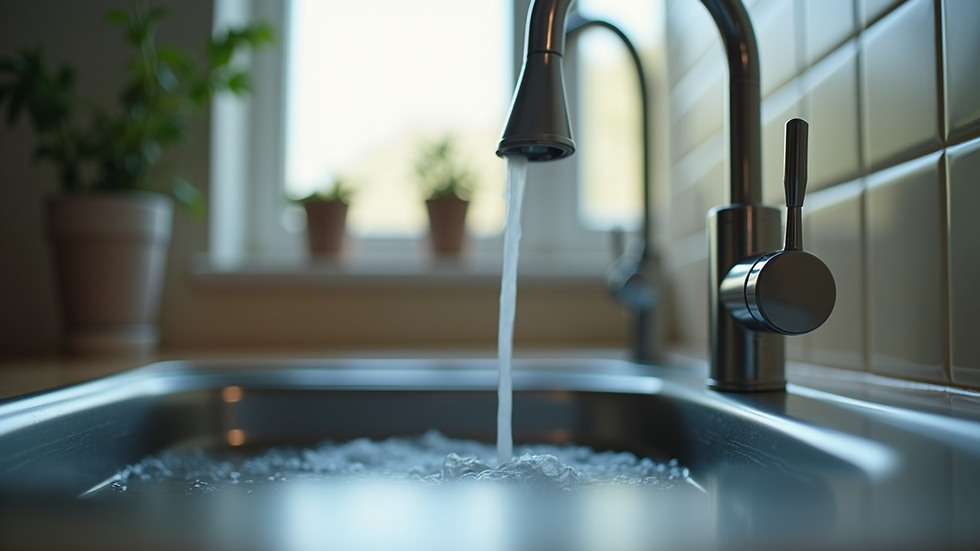
Fixing leaky faucets: A dripping faucet wastes water and increases your bill. Usually, replacing a worn-out washer or cartridge solves the problem.
Unclogging drains: Slow or clogged drains are common. You can use a plunger, drain snake, or natural solutions like baking soda and vinegar to clear blockages.
Replacing light fixtures and switches: Upgrading or fixing electrical fixtures is straightforward if you turn off the power first and follow safety steps.
Patching drywall holes: Small holes from nails or accidents can be patched with spackle and sanded smooth for a clean finish.
Sealing windows and doors: Drafts increase heating and cooling costs. Applying weatherstripping or caulk seals gaps and improves comfort.
These repairs are manageable with basic tools and some patience. If you’re unsure, it’s always okay to ask for help or hire professionals.
How to Prioritize Repairs for Your Home
Not all repairs are equally urgent. Knowing which ones to tackle first helps you maintain your home efficiently and avoid costly damage. Here’s how to prioritize:
Safety first: Fix anything that poses a risk, like faulty wiring, broken stairs, or gas leaks.
Prevent water damage: Leaks in plumbing or roofing can cause serious damage quickly. Address these immediately.
Energy efficiency: Sealing drafts and fixing insulation saves money on utility bills.
Functionality: Repair appliances, doors, and windows that affect daily living.
Aesthetic fixes: Cosmetic repairs like painting or patching walls can wait until more urgent issues are handled.
By focusing on safety and preventing damage, you protect your investment and keep your home comfortable.
What is the most requested handyman service?
In my experience, the most requested handyman service tends to be general maintenance and minor repairs. This includes fixing leaky faucets, repairing drywall, replacing light fixtures, and unclogging drains. These tasks are common because they affect everyday comfort and are often easy to overlook until they become annoying or problematic.
Homeowners often call for help with:
Installing shelves or curtain rods
Repairing door locks or handles
Fixing squeaky doors or cabinets
Replacing broken tiles or grout
These small repairs add up and can be time-consuming if you don’t have the right skills or tools. That’s why many people prefer to hire a handyman who can handle a variety of tasks efficiently.

Tips for DIY Home Repairs: Tools and Safety
If you want to try some repairs yourself, having the right tools and following safety guidelines is essential. Here’s what I recommend:
Basic tools to have on hand:
Screwdrivers (flathead and Phillips)
Hammer
Adjustable wrench
Pliers
Utility knife
Tape measure
Level
Power drill with bits
Plunger and drain snake
Safety tips:
Always turn off power or water before starting electrical or plumbing repairs.
Wear safety glasses and gloves when needed.
Use a sturdy ladder and don’t overreach.
Read instructions carefully for any products or tools.
If a repair feels beyond your skill level, don’t hesitate to call a professional.
Starting with small projects builds your confidence. Over time, you’ll find yourself handling more repairs with ease.
When to Call for Professional Help
While many repairs are doable on your own, some require professional expertise. Here are signs it’s time to reach out for help:
Electrical issues beyond changing a light bulb or switch
Major plumbing problems like burst pipes or sewer backups
Structural damage to walls, foundation, or roof
HVAC system repairs or maintenance
Persistent mold or water damage
Hiring reliable home repair services ensures the job is done safely and correctly. Professionals have the experience and tools to handle complex repairs and can save you from costly mistakes.
Keeping Your Home in Top Shape Year-Round
Regular maintenance prevents many common repairs. Here are some simple habits to keep your home in great condition:
Inspect your roof and gutters twice a year
Test smoke and carbon monoxide detectors monthly
Clean and service your HVAC system annually
Check for leaks under sinks and around appliances
Touch up paint and seal cracks in walls or foundation
A little effort throughout the year means fewer emergencies and a more comfortable home.
Taking charge of essential common home repairs empowers you to protect your home and enjoy it fully. Whether you tackle projects yourself or call in trusted professionals, staying proactive makes all the difference. Remember, every repair you handle adds value and peace of mind to your living space.


Comments